

This article explains how family lawyers resolve disputes, from the first consultation to settlement or judgment.
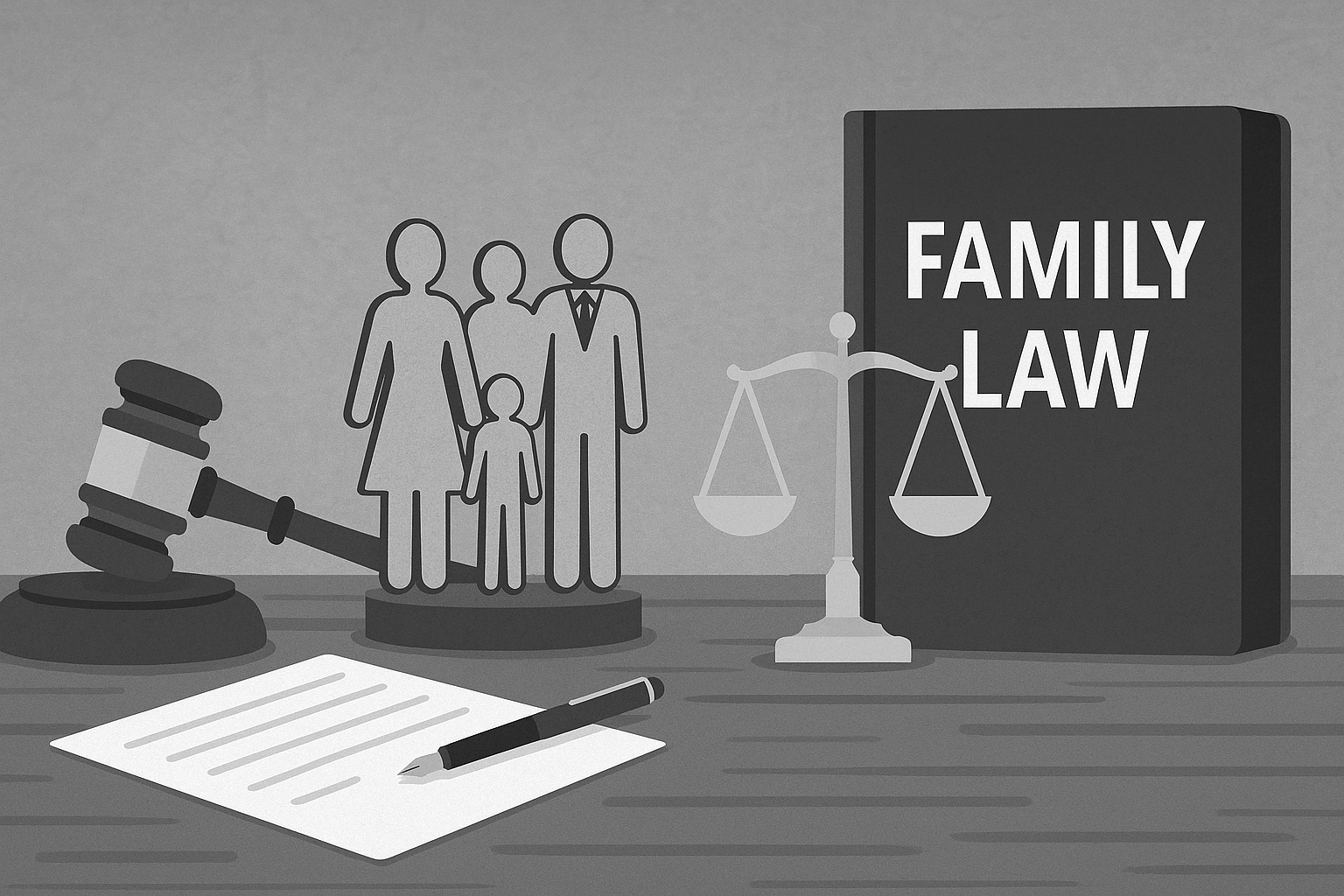
Resolving a family dispute requires a careful balance of legal knowledge, empathy and strategic negotiation. These matters — divorce, custody, maintenance, the division of property — are among the most emotionally charged a lawyer will encounter. The role of family counsel is to guide clients through the legal process with clarity and composure, securing fair outcomes while limiting conflict. This article describes how that is done.
The role of family counsel
- Assessing the facts and the law applicable to the family — Hindu, Muslim, Christian, Parsi or secular.
- Advising on rights and obligations so that clients understand what the law provides.
- Negotiating settlements that both parties can accept.
- Representing clients in court when negotiation fails.
The work demands emotional intelligence as well as legal skill: the ability to handle difficult conversations and to foresee complications before they arise.
A methodical approach
1. Consultation and evaluation
The first meeting gathers the facts — marriage documents, financial records, prior agreements — and assesses the strengths and weaknesses of the position before any strategy is proposed.
2. Alternative dispute resolution
Wherever possible, mediation or conciliation is encouraged. A neutral mediator helps both sides communicate and negotiate; the process is less adversarial and saves time and cost. Family Courts themselves routinely refer parties to mediation centres.
3. Drafting the settlement
Once terms are agreed, counsel prepares the documents — a memorandum of settlement, a parenting plan, a consent petition — so that they are clear, enforceable and protective of all parties.
4. Litigation
If resolution proves impossible, counsel files the petition, presents evidence and argues for a favourable judgment before the Family Court and, where necessary, the High Court.
5. Post-judgment support
Enforcement of orders and applications for modification when circumstances change — relocation, remarriage, altered income — complete the process.
Strategies that work
- Active listening builds trust and reveals the issues that truly matter.
- Clear communication keeps clients informed and able to make confident decisions.
- The child’s welfare first — custody and visitation are argued around the child’s emotional and developmental needs.
- Financial transparency prevents surprises and promotes fair settlement of maintenance and property.
- Collaborative resolution — parties and lawyers working together outside court — reduces hostility.
- Thorough preparation for litigation when it cannot be avoided.
Choosing the right family lawyer
Look for experience and specialisation in family law, a reputation for professionalism, clear and empathetic communication, accessibility, and a strategic approach tailored to your circumstances. The right counsel will tell you candidly when settlement serves you better than a fight — and will fight effectively when it does not.
Family disputes are inherently difficult, but with skilled guidance they can be navigated with confidence. At Avinash Law Offices our family practice is built on discretion, strategy and respect for the dignity of everyone involved.
How family lawyers resolve disputes through mediation
Indian courts actively encourage mediation in family matters, and many Family Courts run mediation centres. Knowing how family lawyers resolve disputes outside court can save time and stress. Free legal aid is available through the National Legal Services Authority. See our family law practice.

Frequently asked questions: how family lawyers resolve disputes
Can family disputes be settled without going to court?
Often, yes. Knowing how family lawyers resolve disputes helps here: they start with negotiation and mediation, and a settlement can then be recorded by the Family Court.
What if mediation fails?
If mediation fails, the matter proceeds to trial in the Family Court, where evidence is recorded and the court decides.
How long does it take?
It depends on how family lawyers resolve disputes in your case: settlements can be completed in months, while contested cases may take several years.

Avinash Singh
Advocate, Supreme Court of India and High Court · Founder, Avinash Law Offices, Lucknow. The views expressed are general in nature and do not constitute legal advice.