

Legal services in India cover everything from court litigation to contract drafting and compliance advice.

India’s legal system is vast, encompassing a great body of statutes, regulations and precedent. For individuals and businesses facing a dispute, understanding the scope of the legal services available is the first step to protecting their rights and making informed decisions. This article surveys that scope and offers practical guidance.
What is a legal service?
A legal service is professional help from a qualified advocate in a matter governed by law: advising on rights and obligations, representing a client before courts and tribunals, drafting legal documents and negotiating settlements. A startup may need advice on incorporation; an individual may need representation in a property dispute.
Why legal services matter
Legal services sustain the rule of law. They help people and organisations resolve disputes, comply with regulation and safeguard their rights. A business must navigate corporate, tax, labour and environmental law; an individual may face a family, property or criminal matter. In each case, professional assistance — from consultation and documentation to representation in court — converts uncertainty into a plan. The role of the profession extends further still, into research, policy and the training of young lawyers.
Principal areas
| Area | Scope |
|---|---|
| Corporate and commercial | Company formation, M&A, contracts, regulatory compliance and commercial disputes. |
| Civil litigation | Property, contract, tort and family matters, including inheritance and consumer disputes. |
| Criminal law | Defence and prosecution across the range of offences, ensuring fair trial and due process. |
| Intellectual property | Registration, enforcement and litigation of patents, trademarks, copyrights and designs. |
| Taxation and regulation | Tax planning, disputes with authorities and GST compliance. |
| Alternative dispute resolution | Arbitration, mediation and conciliation as faster, less adversarial routes to resolution. |
Types of legal services in India
Most legal services in India fall into a few broad types:
- Advice and consultation on rights, obligations and likely outcomes before you act.
- Litigation and representation before courts, tribunals and arbitral tribunals.
- Documentation and drafting of wills, agreements, leases, powers of attorney and corporate documents.
- Alternative dispute resolution through arbitration, mediation and conciliation.
- Free legal aid through legal services authorities for eligible people.
- In-house legal teams that handle day-to-day compliance for larger organisations.
Practical considerations in complex disputes
- Consult early. Early advice prevents escalation and reduces cost.
- Document thoroughly. Organised records strengthen your case.
- Choose the right partner. Expertise in the relevant field and familiarity with the forum are decisive.
- Understand the process — steps, timelines and realistic outcomes.
- Explore settlement where it serves your interest.
- Plan financially, agreeing fees at the outset.
Technology in modern practice
E-filing has streamlined court procedure; online research databases provide instant access to precedent; virtual consultations and hearings have extended the reach of legal services to remote clients; and legal-technology tools are automating documentation and analysis. Yet the human element remains indispensable: technology serves judgment, it does not replace it.
Trust and expertise
Trust is the cornerstone of the advocate–client relationship. Clients must be confident that their counsel understands their concerns and is committed to the best achievable outcome. At Avinash Law Offices the emphasis is on thorough research, strategic planning and personal attention in complex matters before the higher courts — and on transparent communication at every stage.
Looking ahead
Legislative reform, judicial innovation and social change continue to reshape the legal landscape. The future promises greater integration of technology, improved access to justice and a more client-centred profession. Whatever your matter — corporate, civil or criminal — informed choices make all the difference.
Free legal aid under the Legal Services Authorities Act
Under Section 12 of the Legal Services Authorities Act, 1987, free legal services in India are available to women and children, members of Scheduled Castes and Scheduled Tribes, persons with disabilities, persons in custody, victims of trafficking or disasters, industrial workers and people whose income is below the notified limit.
Legal aid covers advice, drafting and representation, and is arranged through the District Legal Services Authority in each district, the State Legal Services Authority and the National Legal Services Authority.
Accessing legal services in India
Eligible people can get free legal services in India through the National Legal Services Authority. For private advice and representation, explore our legal services or book a consultation.
Frequently asked questions on legal services in India
What types of legal services in India are available?
Legal services in India include litigation, advisory work, documentation, dispute resolution such as arbitration and mediation, and free legal aid.
Are legal services in India regulated?
Yes. Advocates must be enrolled with a State Bar Council and follow the Bar Council of India rules, which also prohibit advertising and solicitation.
Can foreigners access legal services in India?
Yes. Foreign individuals and companies can engage Indian advocates for legal services in India, including representation in Indian courts. Choosing the right legal services in India begins with understanding which court or forum will hear your matter.
Who can get free legal services in India?
Women, children, members of Scheduled Castes and Tribes, persons with disabilities, persons in custody and people below the income limit can get free legal services in India through legal services authorities.
How much does a lawyer cost in India?
Fees vary with the court, the complexity of the matter and the experience of the advocate. Ask for the fee structure in writing before you engage a lawyer.
Matching the right lawyer to your problem

Indian advocates often specialise. A lawyer who regularly handles property disputes in civil courts may not be the best choice for a criminal bail matter or a company law dispute before the NCLT. Before engaging anyone, ask how often they handle matters like yours and in which courts.
For disputes with businesses, consider whether arbitration or mediation clauses apply. For consumer complaints, District Consumer Commissions offer a simpler process, and for employment disputes in government service, specialised tribunals may have jurisdiction.
- Civil and property disputes: civil courts and RERA
- Criminal cases: magistrate and sessions courts, and the High Court
- Company disputes: National Company Law Tribunal
- Government employment: administrative tribunals
The structure of the courts in India
India has a single integrated judiciary. District and subordinate courts handle most civil and criminal cases. Above them, the High Court of each state hears appeals and writ petitions, and the Supreme Court of India sits at the top.
Specialised tribunals decide particular disputes, such as the National Company Law Tribunal for company matters, the Central Administrative Tribunal for central government service matters and consumer commissions for consumer complaints.
- District and subordinate courts
- High Courts in each state
- The Supreme Court of India
- Specialised tribunals and commissions
How to prepare for your first consultation
Preparation saves time and fees. Ask the advocate to explain your options in plain language, including settlement or mediation, and to estimate timelines and costs. Take along:
- A short written timeline of key events
- Copies of agreements, notices, orders and receipts
- Amounts and dates of any payments involved
- A list of questions you want answered
- Details of any upcoming hearing or deadline
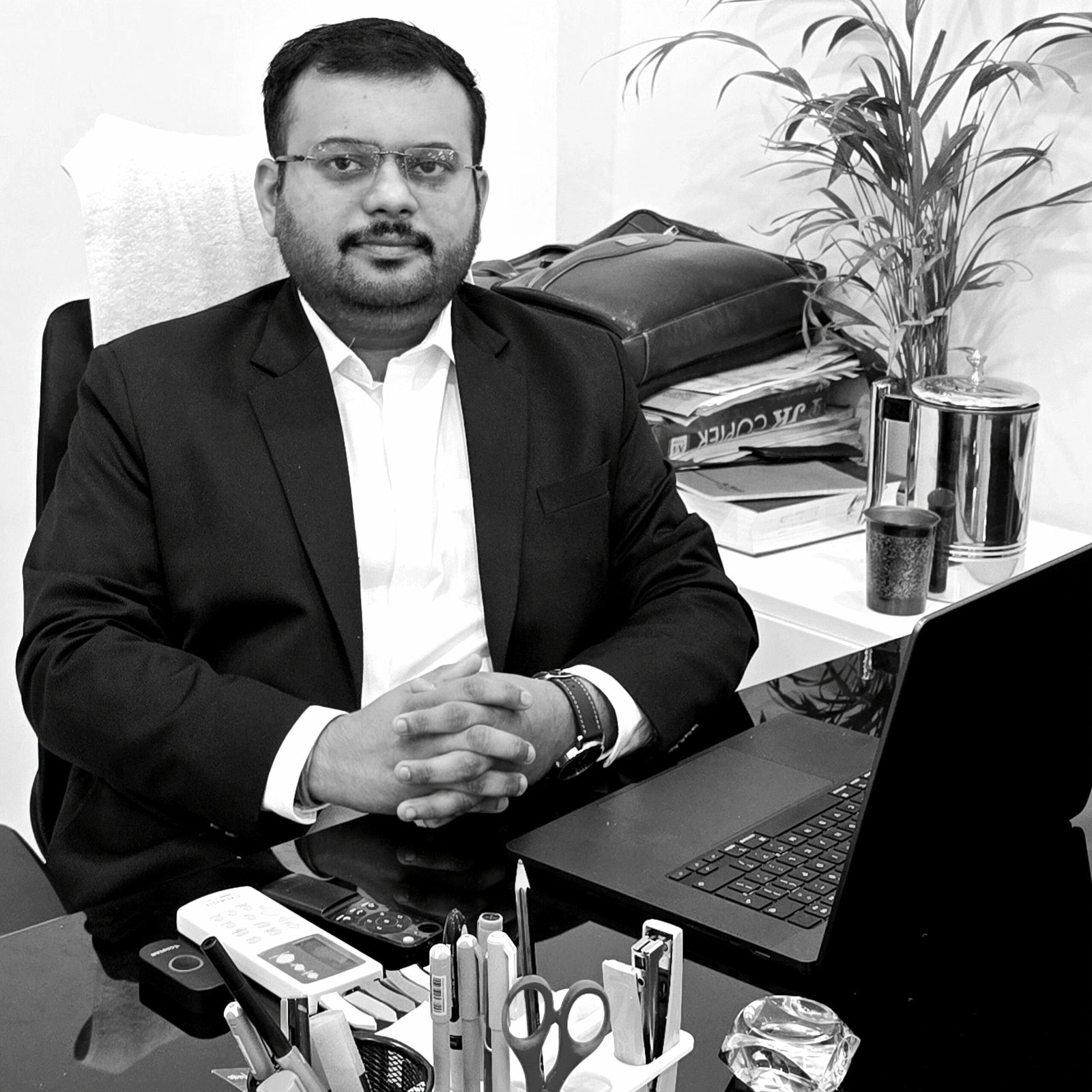
Avinash Singh
Advocate, Supreme Court of India and High Court · Founder, Avinash Law Offices, Lucknow. The views expressed are general in nature and do not constitute legal advice.